
How to Verify the Safety and Non-Toxic Certifications for Insulated Cups
When purchasing insulated cups, ensuring their safety and non-toxic properties is essential for your health and peace of mind. In this blog, we’ll guide you on how to verify the certifications for insulated cups, with specific highlights from Yono Flask’s offerings.
Understand the Key Certifications
Before diving into product specifics, it’s important to understand the common certifications that indicate a product is safe and non-toxic:
- FDA Approval: Ensures the material used in the cups is food-grade and safe for use.
- LFGB Certification: Valid for European standards, this ensures material safety and no harmful chemical transfers to food or beverages.
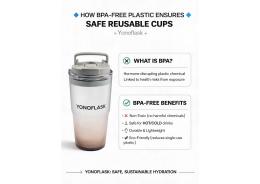
- BPA-Free Label: Confirms the product is free from harmful Bisphenol-A, a toxic substance found in some plastics.
- ISO Compliance: Guarantees quality management and consistent product safety standards.
Researching the Manufacturer’s Claims
To ensure a product meets regulatory standards, investigate the manufacturer’s claims. Yono Flask, for example, highlights its adherence to FDA and EU standards. When visiting the Yono Flask website, you can find detailed information about the materials, production processes, and certifications for their insulated cups.
Look for Documentation
Reputable manufacturers, like Yono Flask, should provide easy access to certifications and test reports. Look for downloadable PDFs or scans of certificates directly on their official website. If this isn’t readily available, you can reach out to their customer service teams for clarification.
Third-Party Testing
Avoid solely relying on self-proclaimed safety labels. Check if the product has been tested by independent third-party organizations. Some certifications, like FDA and LFGB, often involve stringent external testing standards to verify product claims.
Inspect Packaging and Labels
Insufficient labeling might be a red flag. Look for logos or codes indicating certifications listed above. Bonus tip: On some products, a QR code might lead directly to the manufacturer’s certification data for added transparency.
Check Reviews and Reputation
Customer reviews can be an insightful resource. Reviews on the Yono Flask products, for instance, frequently mention the quality and confirmed non-toxic materials used, further verifying the claims of the company.
Conclusion
Verifying the safety and non-toxic status of insulated cups is essential for ensuring the health of you and your loved ones. By understanding certifications, researching the manufacturer, examining documentation, and referring to third-party testing, you can make informed decisions. Yono Flask sets a stellar example of transparency and commitment to quality, ensuring their products meet the highest safety standards.
Visit Yono Flask’s website to explore their certified insulated cups and learn more about their dedication to product safety.



 English
 German
 French
 Russian
 Spanish
 Japanese
 Korean
 Portuguese
 Ukrainian
 Arabic
 Italian

